In Honor
Sun Apr 22, 2007 7:15 pm
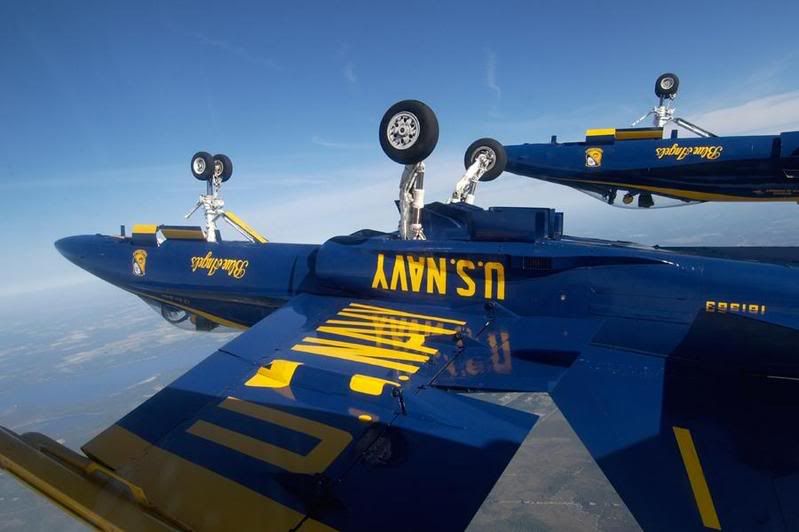
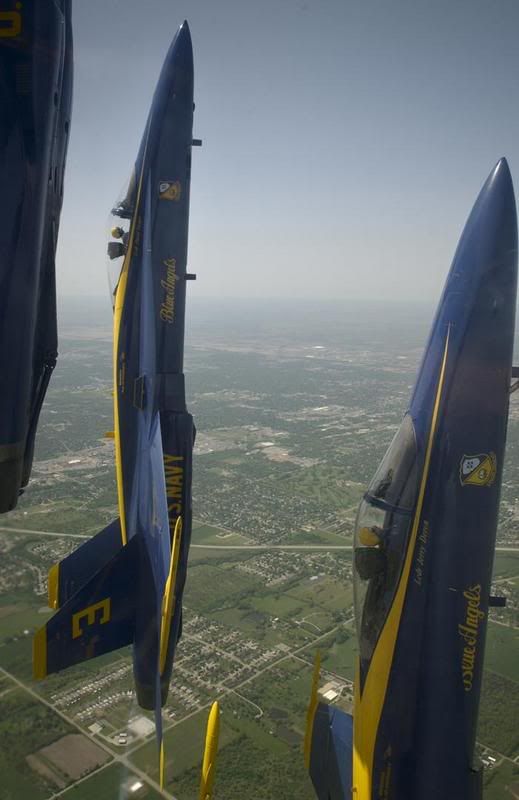
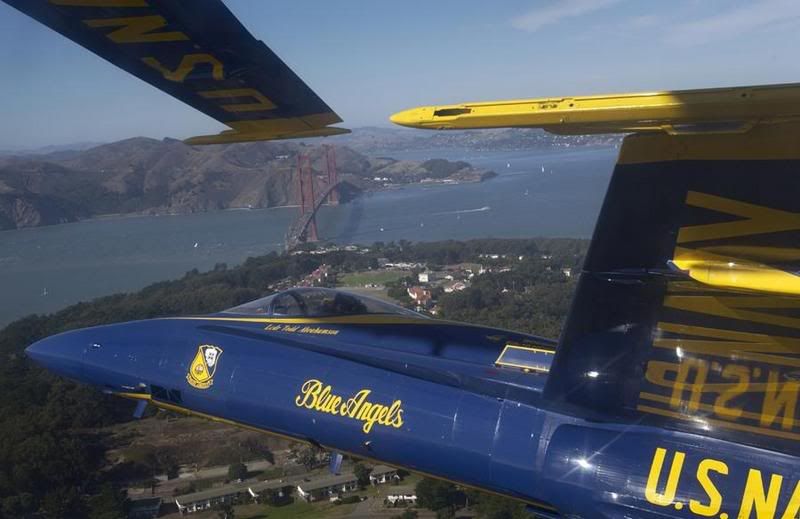
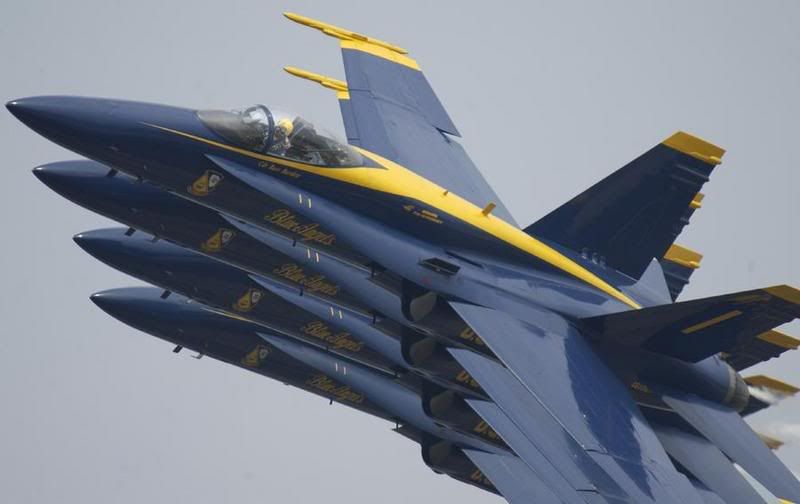
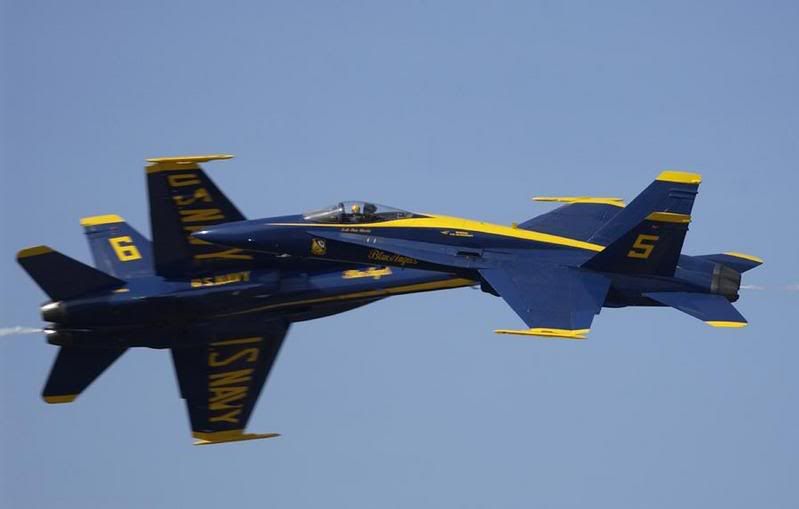
Here are some images sent me by a friend. I take no credit for the photos but thought those who have not seen these, might like them.

Sun Apr 22, 2007 7:24 pm
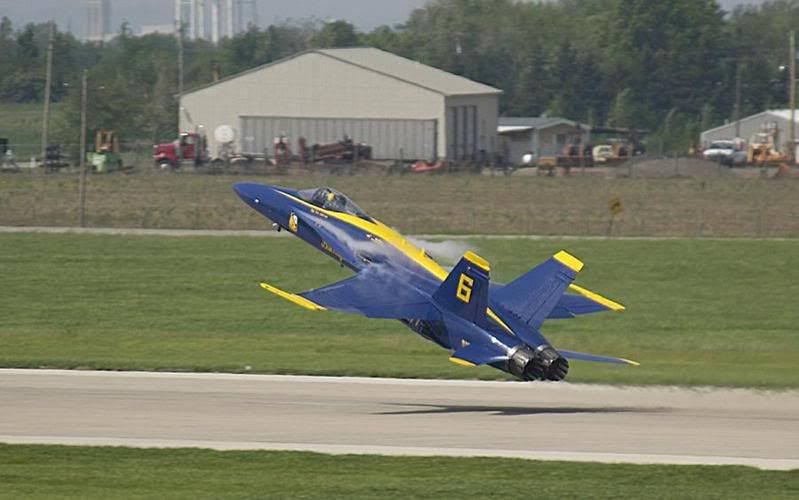
Wow!  That first pic showing the F-18 dragging it's ass on the runway is amazing.
John
That first pic showing the F-18 dragging it's ass on the runway is amazing.
John
You Tuber
Tue Apr 24, 2007 10:26 pm
Fri Apr 27, 2007 9:29 pm
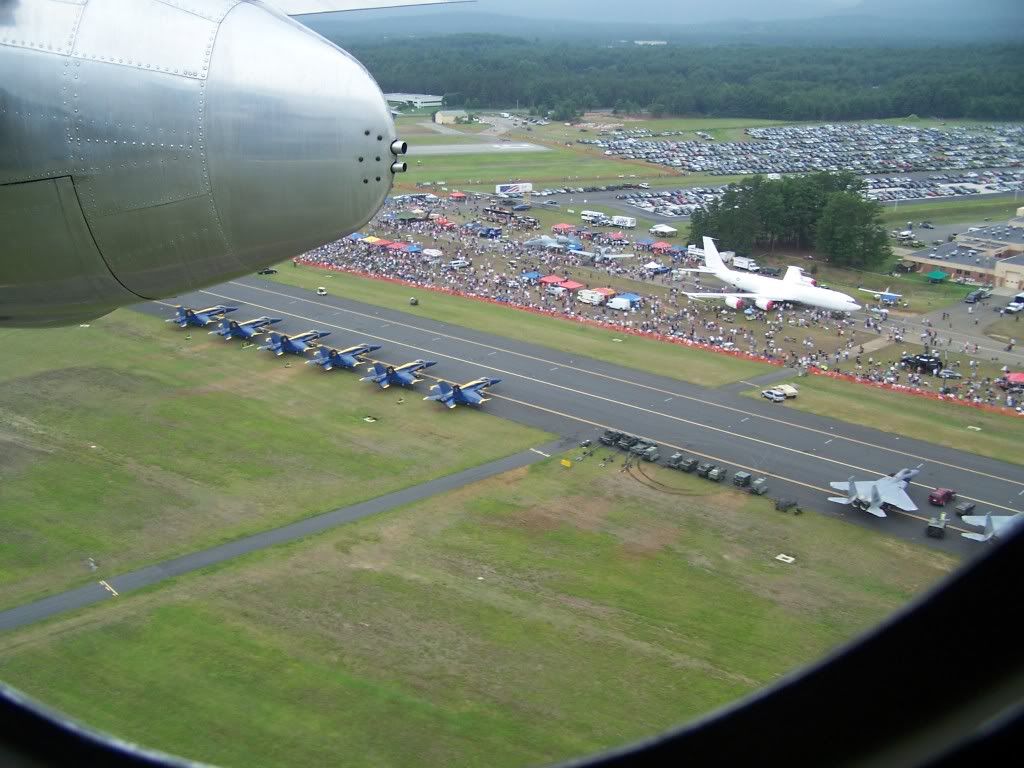
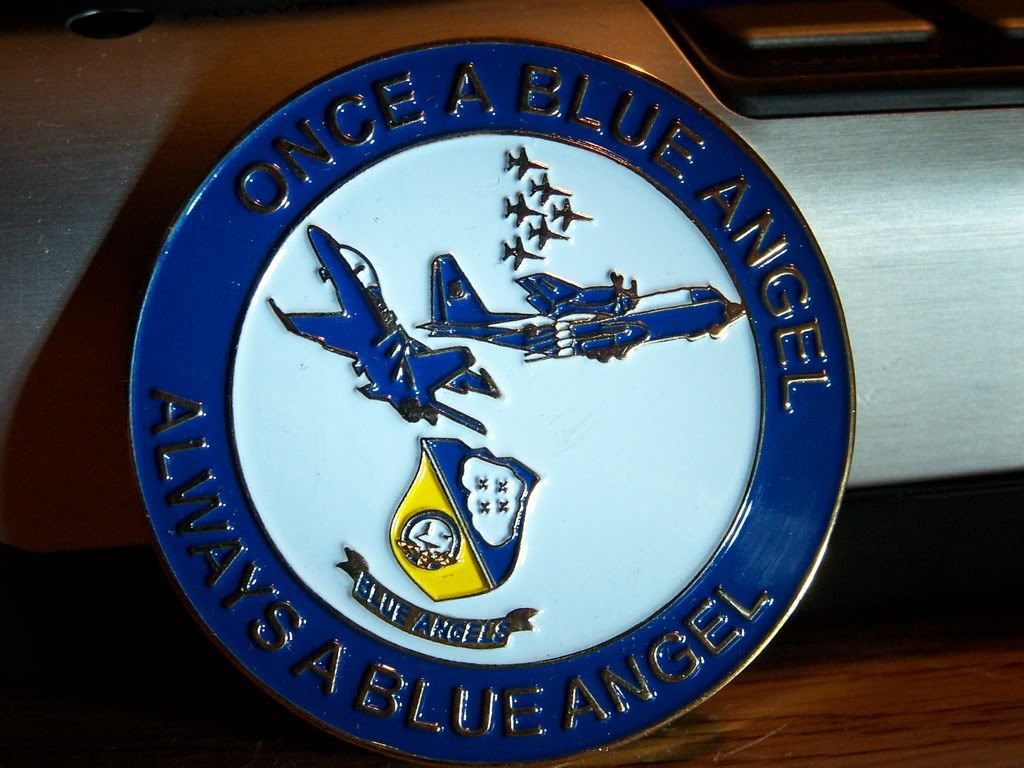
im a little late but since i just got my account activated thought this picture could speak for itself. i got this last year while on tour with the prowler. the first
Fri Apr 27, 2007 9:40 pm
neat pix! I was sure sad to hear about their loss...
Sat Apr 28, 2007 9:10 am
This is an Email from a friend of a friend.
The friend has a cousin and the message is from him.
Steve
~~~~~~~~~~~~~~~~~~~~~~~~~~~~~~~~~~~~~~~~~~~~~~~~~~~~~~~~~~~~~~~~
This from my cousin currently fighting the war in Hawaii. Pete is a former A4 and F-18 driver and IP.
From: "Ross, Peter G., CAPT, USNR
More detail available today. Having seen video of the crash, my initial speculation is that there was a G Induced Loss of Consciousness (GLOC).
The most aggressive flying in the Blue Angel show takes place in the join ups behind show center. The timing requires "expeditious" join ups involving huge overtake speeds and high G maneuvering in the terminal phase of the rejoin to dissipate the overtake.
The video I saw shows No.6 closing on the formation for the rejoin, but before he gets there, the jet lags the formation, goes outside the turn radius and descends in seeming controlled flight to the tree line. This would be consistent with GLOC on the rendezvous. If the pilot passed out at the join up, he'd be back on the power. Upon loss of consciousness, the G would ease immediately taking him outside the formation turn radius. At flight idle, the jet would slowly descend. To regain consciousness, the pilot needs blood to flow to the brain which takes a varying amount of time depending how deep the GLOC. The senses return in reverse
sequence to their loss. Hearing, then vision, cognition, then motor control.
The frustrating part is when you can see and understand the problem but don't have the motor control to manipulate the flight controls appropriately.
I have done this to myself in the Hornet, thankfully not so close to the ground.
Of course, without the determinations of the safety investigation, the foregoing is mere speculation. However, a catastrophic, double engine failure is unheard of in the Hornet, and it would likely provide evidence in smoke, flames and parts emanating from the tailpipes prior to the crash. The media all seem focused on the impact with trees and power lines, but that is inevitable when falling to the earth.
This pilot was no rookie. A former Tomcat driver and TOPGUN grad, he was an experienced fighter pilot.
GLOC is something that can effect even the most seasoned pilots and it varies day to day and can turn on something as innocuous as time since the pilot's last meal.
In any event, this is a sad day for the Navy.
The friend has a cousin and the message is from him.
Steve
~~~~~~~~~~~~~~~~~~~~~~~~~~~~~~~~~~~~~~~~~~~~~~~~~~~~~~~~~~~~~~~~
This from my cousin currently fighting the war in Hawaii. Pete is a former A4 and F-18 driver and IP.
From: "Ross, Peter G., CAPT, USNR
More detail available today. Having seen video of the crash, my initial speculation is that there was a G Induced Loss of Consciousness (GLOC).
The most aggressive flying in the Blue Angel show takes place in the join ups behind show center. The timing requires "expeditious" join ups involving huge overtake speeds and high G maneuvering in the terminal phase of the rejoin to dissipate the overtake.
The video I saw shows No.6 closing on the formation for the rejoin, but before he gets there, the jet lags the formation, goes outside the turn radius and descends in seeming controlled flight to the tree line. This would be consistent with GLOC on the rendezvous. If the pilot passed out at the join up, he'd be back on the power. Upon loss of consciousness, the G would ease immediately taking him outside the formation turn radius. At flight idle, the jet would slowly descend. To regain consciousness, the pilot needs blood to flow to the brain which takes a varying amount of time depending how deep the GLOC. The senses return in reverse
sequence to their loss. Hearing, then vision, cognition, then motor control.
The frustrating part is when you can see and understand the problem but don't have the motor control to manipulate the flight controls appropriately.
I have done this to myself in the Hornet, thankfully not so close to the ground.
Of course, without the determinations of the safety investigation, the foregoing is mere speculation. However, a catastrophic, double engine failure is unheard of in the Hornet, and it would likely provide evidence in smoke, flames and parts emanating from the tailpipes prior to the crash. The media all seem focused on the impact with trees and power lines, but that is inevitable when falling to the earth.
This pilot was no rookie. A former Tomcat driver and TOPGUN grad, he was an experienced fighter pilot.
GLOC is something that can effect even the most seasoned pilots and it varies day to day and can turn on something as innocuous as time since the pilot's last meal.
In any event, this is a sad day for the Navy.
Sat Apr 28, 2007 9:50 am

In Honour
Sun Apr 29, 2007 7:16 am
The pilots of the Air Force Thunderbirds and the Navy Blue Angels are the best of the best. When an unfortunate accident results in a loss of one of these men it is felt not only by the squadron but by all of us. May the Lord grant His blessings on the family and our Servicemen/women.
Mon Apr 30, 2007 10:40 pm
the one time i can remember meeting lcdr davis was at this airshow in Ma. nice guy just like most people in the airshow world.