Hap Halloran passed away June 7th
Sat Jun 11, 2011 1:38 am
I am sad to say that we have lost another WWII hero although Hap would never think of himself as such. Hap Halloran was a B-29 aircrewman who was shot down and was a POW for the duration. He suffered horrible treatment which was hard for him to get over but he did. He became an embassador of sorts who had very close ties with his former enemies including the Japanese pilot who shot him down.
I used to love to go to dinner with Hap, Bob Ring one of my instructors from SJSU and my father and listen to their B-29 stories. All three great heroes in my mind and sadly all three are gone.
Here is an obituary for Hap found here:
http://www.almanacnews.com/news/show_story.php?id=9064


By Dave Boyce
Almanac Staff Writer
During World War II, Menlo Park resident Raymond "Hap" Halloran found himself on the giving and the receiving ends in the air war over Japan -- first as a B-29 bombardier and then, after his plane was shot down over Tokyo, as a prisoner of war. The prison camps were unmarked and thus occasional targets of apparently ferocious friendly fire, including the March 1945 fire bombing of the city.
Mr. Halloran, who died June 7 at the age of 89, experienced parachuting from his doomed airplane; humiliation as a POW when put on display in a zoo; solitary confinement; a successful business career; decades of nightmares as he tried to escape wartime memories; and, finally, relief after reconciling with former enemies, according to an autobiographical account.
When invited, Mr. Halloran would talk about his experiences. He spoke in Japan at museums, temples and in Peace Parks in Hiroshima and Nagasaki. "They also were seeking closure," he wrote of his audiences, some of whom reciprocated by visiting him in the United States.
While visiting Japan, he met the fighter pilot who shot him down, and a "good guard" from his time as POW, according to his account.
Mr. Halloran is survived by his sons Dan of Barcelona and Tim of Brentwood; and by his daughter Peggy of Redwood City, relatives said.
Members of his family were not available for interviews, but a memorial service is being planned, Dan Halloran said. The Almanac will announce it when the family settles on a date.
A cold dark cage
Raymond Halloran grew up in Cincinnati, the second of five boys. He volunteered for the Army Air Force following the December 1941 attack at Pearl Harbor.
After training, he joined an 11-man crew that flew a new B-29 bomber from the Midwest to Honolulu and then to an airfield in the Northern Marianas Islands, from which were launched bombing raids on the Japanese mainland.
On his crew's fourth mission, a Japanese fighter plane critically damaged two of his B-29's four engines such that it left the formation. The crew bailed out at 27,000 feet at an ambient temperature of 58 below zero, he said in his account. Five men survived, he said.
After 24,000 feet of free fall, he deployed his chute and a fighter pilot flew by and saluted him, he wrote. "A rarity," Mr. Halloran noted.
Indeed, the graciousness did not last. On the ground, a crowd of civilians set upon him and administered "severe beatings," he wrote. He was nearly dead by the time Japanese soldiers came upon him and took him off to solitary confinement for 67 days in a "cold dark cage." He received no medical treatment and was forbidden to talk except when interrogated, he wrote.
It was during this time that Allied forces fire-bombed Tokyo. "The heat, smoke and firestorm were absolutely terrifying," he wrote.
After the fire bombing, soldiers took him to the Ueno Zoo, Mr. Halloran wrote, where they displayed him in a cage as "the hated B-29 prisoner," naked, unwashed and covered with sores from fleas, lice and bed bug bites. "Conditions were extreme," he wrote. "I cried (a form of relief) and prayed constantly."
When eventually he was transferred to live with other captured air crews, unwitting Allied pilots strafed and bombed the camp, he wrote. The prisoners talked of food constantly.
With peace in August 1945 came liberation to a hospital ship, then back to the states and months in a government hospital. He returned to civilian life and a career, but with changes, including nightmares for 39 years, he wrote.
"Very disruptive to my family life," he wrote. "In the early years after the return from POW days I absolutely tried to wipe out all those bad memories of my time in Japan. I failed."
Relief began with reconciliation. He flew to Japan in 1984 to "view people and places as they are presently," he wrote. "Positive results slowly became evident in my outlook, feelings and judgments. Understanding and reconciliation became a reality."

I will miss you Hap. Thank you for your service and for sharing your life with me. You will always be an inspiration
I used to love to go to dinner with Hap, Bob Ring one of my instructors from SJSU and my father and listen to their B-29 stories. All three great heroes in my mind and sadly all three are gone.
Here is an obituary for Hap found here:
http://www.almanacnews.com/news/show_story.php?id=9064
By Dave Boyce
Almanac Staff Writer
During World War II, Menlo Park resident Raymond "Hap" Halloran found himself on the giving and the receiving ends in the air war over Japan -- first as a B-29 bombardier and then, after his plane was shot down over Tokyo, as a prisoner of war. The prison camps were unmarked and thus occasional targets of apparently ferocious friendly fire, including the March 1945 fire bombing of the city.
Mr. Halloran, who died June 7 at the age of 89, experienced parachuting from his doomed airplane; humiliation as a POW when put on display in a zoo; solitary confinement; a successful business career; decades of nightmares as he tried to escape wartime memories; and, finally, relief after reconciling with former enemies, according to an autobiographical account.
When invited, Mr. Halloran would talk about his experiences. He spoke in Japan at museums, temples and in Peace Parks in Hiroshima and Nagasaki. "They also were seeking closure," he wrote of his audiences, some of whom reciprocated by visiting him in the United States.
While visiting Japan, he met the fighter pilot who shot him down, and a "good guard" from his time as POW, according to his account.
Mr. Halloran is survived by his sons Dan of Barcelona and Tim of Brentwood; and by his daughter Peggy of Redwood City, relatives said.
Members of his family were not available for interviews, but a memorial service is being planned, Dan Halloran said. The Almanac will announce it when the family settles on a date.
A cold dark cage
Raymond Halloran grew up in Cincinnati, the second of five boys. He volunteered for the Army Air Force following the December 1941 attack at Pearl Harbor.
After training, he joined an 11-man crew that flew a new B-29 bomber from the Midwest to Honolulu and then to an airfield in the Northern Marianas Islands, from which were launched bombing raids on the Japanese mainland.
On his crew's fourth mission, a Japanese fighter plane critically damaged two of his B-29's four engines such that it left the formation. The crew bailed out at 27,000 feet at an ambient temperature of 58 below zero, he said in his account. Five men survived, he said.
After 24,000 feet of free fall, he deployed his chute and a fighter pilot flew by and saluted him, he wrote. "A rarity," Mr. Halloran noted.
Indeed, the graciousness did not last. On the ground, a crowd of civilians set upon him and administered "severe beatings," he wrote. He was nearly dead by the time Japanese soldiers came upon him and took him off to solitary confinement for 67 days in a "cold dark cage." He received no medical treatment and was forbidden to talk except when interrogated, he wrote.
It was during this time that Allied forces fire-bombed Tokyo. "The heat, smoke and firestorm were absolutely terrifying," he wrote.
After the fire bombing, soldiers took him to the Ueno Zoo, Mr. Halloran wrote, where they displayed him in a cage as "the hated B-29 prisoner," naked, unwashed and covered with sores from fleas, lice and bed bug bites. "Conditions were extreme," he wrote. "I cried (a form of relief) and prayed constantly."
When eventually he was transferred to live with other captured air crews, unwitting Allied pilots strafed and bombed the camp, he wrote. The prisoners talked of food constantly.
With peace in August 1945 came liberation to a hospital ship, then back to the states and months in a government hospital. He returned to civilian life and a career, but with changes, including nightmares for 39 years, he wrote.
"Very disruptive to my family life," he wrote. "In the early years after the return from POW days I absolutely tried to wipe out all those bad memories of my time in Japan. I failed."
Relief began with reconciliation. He flew to Japan in 1984 to "view people and places as they are presently," he wrote. "Positive results slowly became evident in my outlook, feelings and judgments. Understanding and reconciliation became a reality."
I will miss you Hap. Thank you for your service and for sharing your life with me. You will always be an inspiration
Re: Hap Halloran passed away June 7th
Sat Jun 11, 2011 2:34 am
Very sad to see the vets going so quickly. I read his book "Hap's War" a few years ago. I would recommend it.
Re: Hap Halloran passed away June 7th
Sat Jun 11, 2011 11:35 am
God speed Hap, your crew chief is waiting on the hardstand for your arrival.
Re: Hap Halloran passed away June 7th
Sat Jun 11, 2011 9:16 pm

Re: Hap Halloran passed away June 7th
Sat Jun 11, 2011 11:34 pm
Blue skies Hap and thank you for your service...
Last edited by Lynn Allen on Tue Nov 08, 2011 4:50 pm, edited 1 time in total.
Re: Hap Halloran passed away. Services @ Arlington Nov 18 1pm
Tue Nov 08, 2011 2:50 pm
Hap Halloran will be interred at Arlington National Cemetery on Friday November 18th at 1300.
My daughter Sydney and I are heading out there to pay our respects to Hap.
If anyone is going to be there let me know so we can say hello.
Taigh
My daughter Sydney and I are heading out there to pay our respects to Hap.
If anyone is going to be there let me know so we can say hello.
Taigh
Last edited by Taigh Ramey on Tue Nov 08, 2011 8:39 pm, edited 1 time in total.
Re: Hap Halloran passed away June 7th
Tue Nov 08, 2011 3:03 pm
Hap was/is a great man.
We conversed for months as he provided me info on a 330th BG crew that was shot down over Japan.
He provided great info, maps, letters etc that explained from first hand witnesses the accounts that led to the death of this crew.
Story is here;
http://www.rootsweb.ancestry.com/~ny330bg/crews459.htm
Crew 381 (K-57)
Will certainly miss my chats with Hap!
he always told me at the close of each email..,
Enjoy Life!
G*d Speed old friend
We conversed for months as he provided me info on a 330th BG crew that was shot down over Japan.
He provided great info, maps, letters etc that explained from first hand witnesses the accounts that led to the death of this crew.
Story is here;
http://www.rootsweb.ancestry.com/~ny330bg/crews459.htm
Crew 381 (K-57)
Will certainly miss my chats with Hap!
he always told me at the close of each email..,
Enjoy Life!
G*d Speed old friend
Re: Hap Halloran passed away June 7th
Wed Nov 09, 2011 8:13 am
it's only fitting that he rests at arlington w/ his bretheren.
Re: Hap Halloran passed away June 7th
Tue Nov 15, 2011 1:29 pm
Just a reminder that Hap's services are this Friday, Nov 18th at 1300. If you would like to pay your respects to Hap come on out to Arlington National Cemetery on Friday.
Here is a shot of my Dad on the left, Hap Halloran and Bob Ring on the right all of which were B-29 aircrew and sadly all are now deseased. Good guys and some amazing stories from these folks. Bob and Hap were both shot down over Tokyo and spent the duration in POW camps. Both had similar treatment too and came out of it as good men.
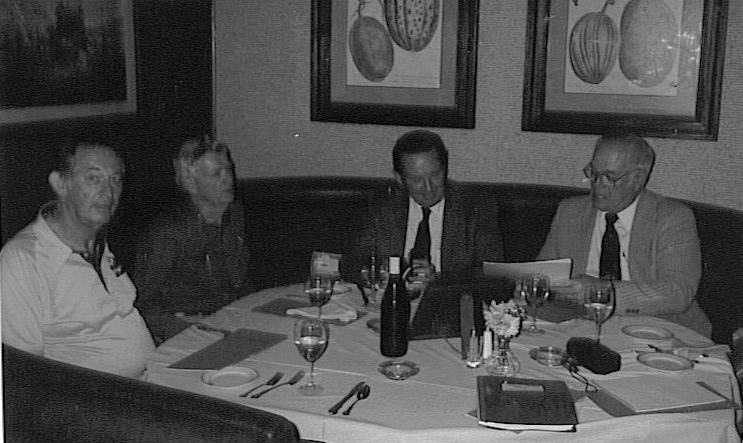
Here is a shot of my Dad on the left, Hap Halloran and Bob Ring on the right all of which were B-29 aircrew and sadly all are now deseased. Good guys and some amazing stories from these folks. Bob and Hap were both shot down over Tokyo and spent the duration in POW camps. Both had similar treatment too and came out of it as good men.
Re: Hap Halloran passed away June 7th
Wed Nov 16, 2011 10:04 am
Thank you for your service. Rest in peace. My God Bless you.
Re: Hap Halloran passed away June 7th
Thu Nov 17, 2011 6:55 am
A legend! Thanks for letting us know he has passed...
Re: Hap Halloran passed away June 7th
Sun Dec 04, 2011 1:30 am
A beautiful ceremony. My daughter described it as "moving". I would agree.
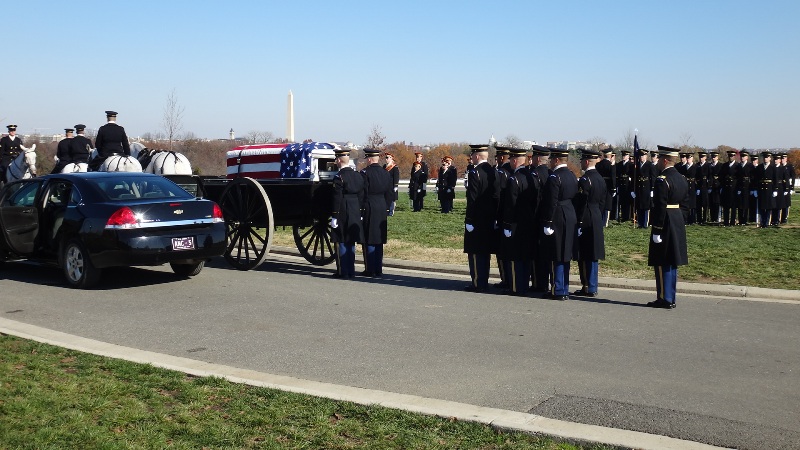
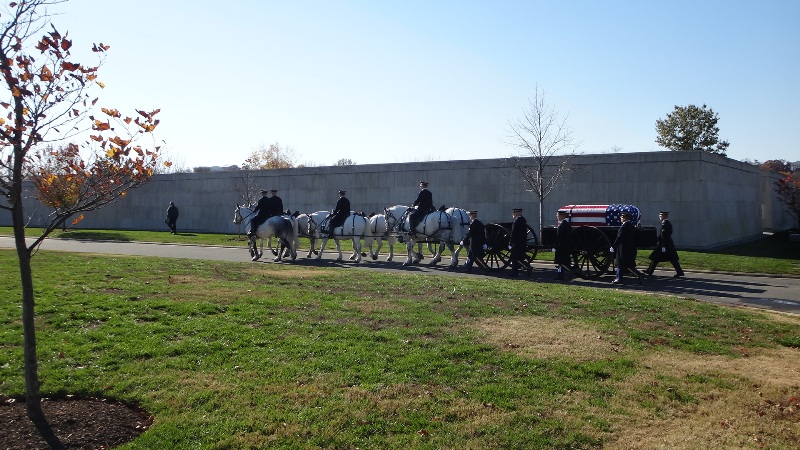
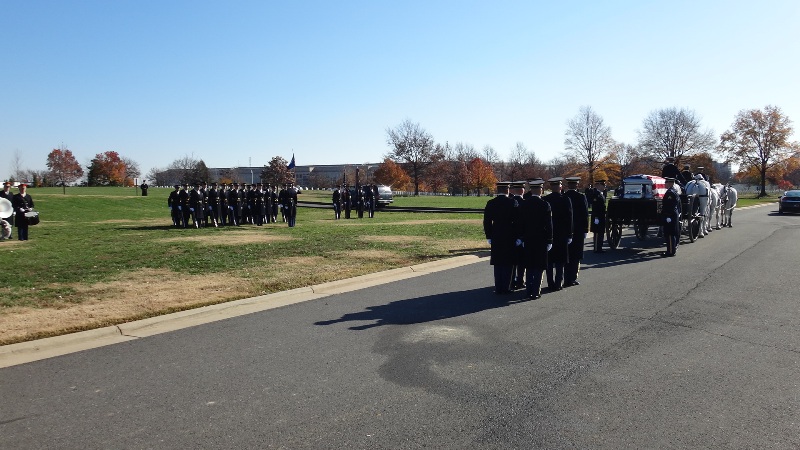
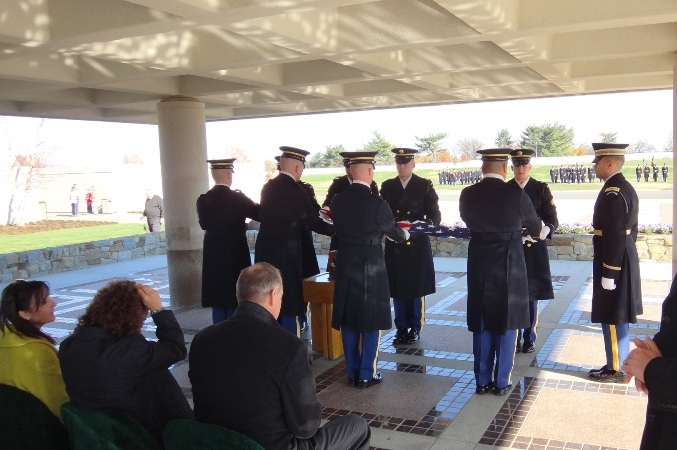
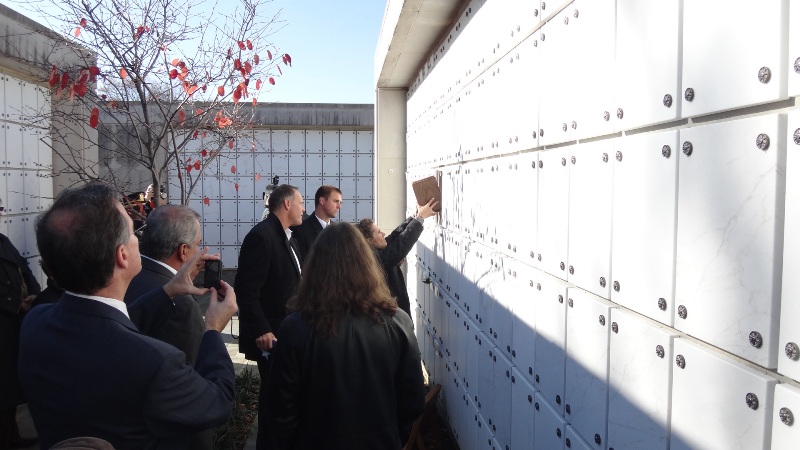
Rest in peace Hap
Rest in peace Hap