This is the place where the majority of the warbird (aircraft that have survived military service) discussions will take place. Specialized forums may be added in the new future
Post a reply

Insert Humor: Here...

Sat Oct 08, 2011 7:48 pm

Vlado's not going to like this!!
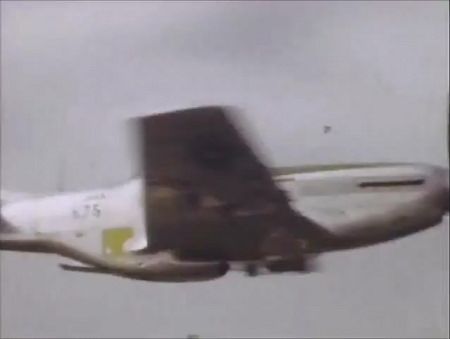
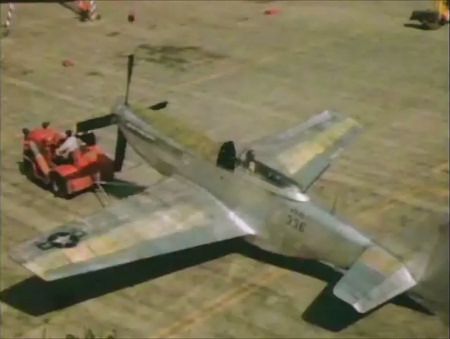
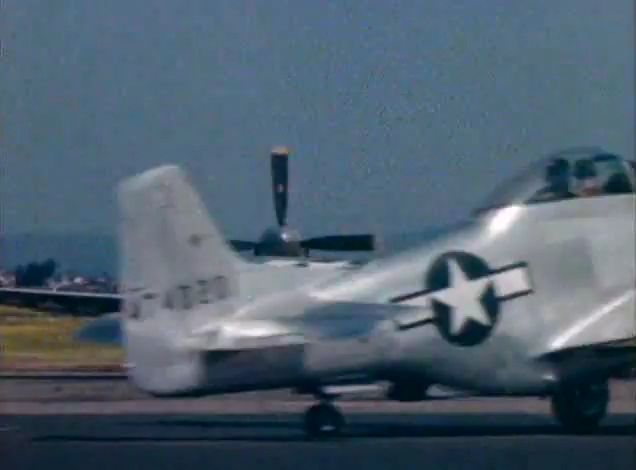
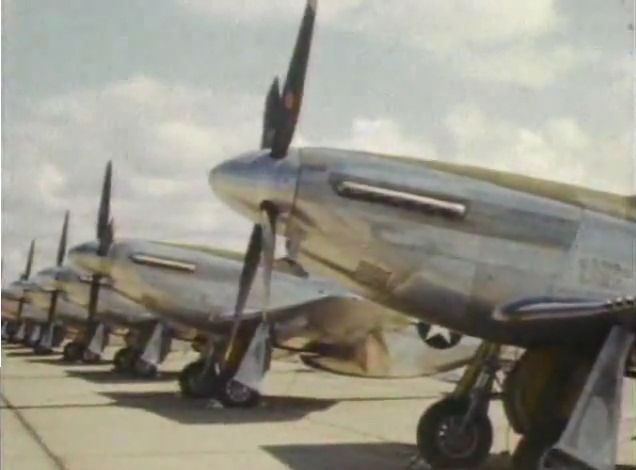
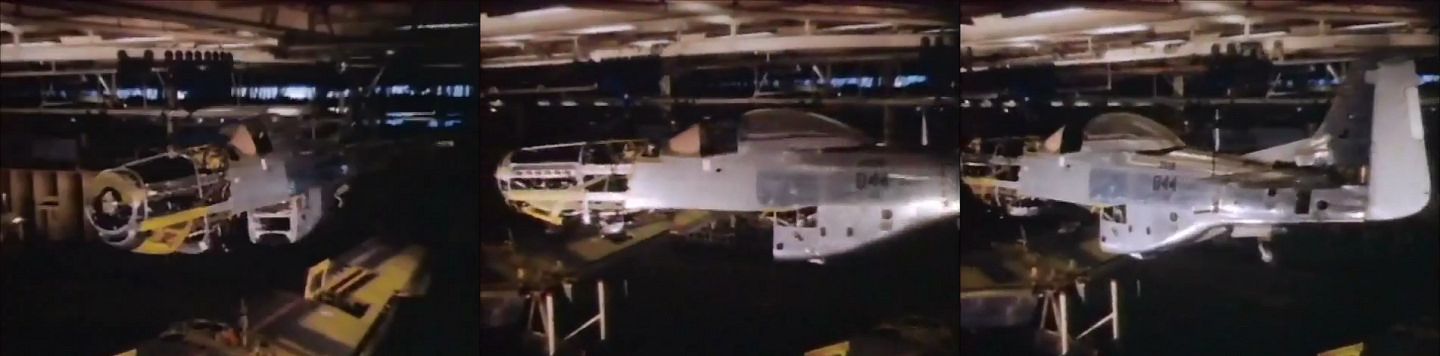
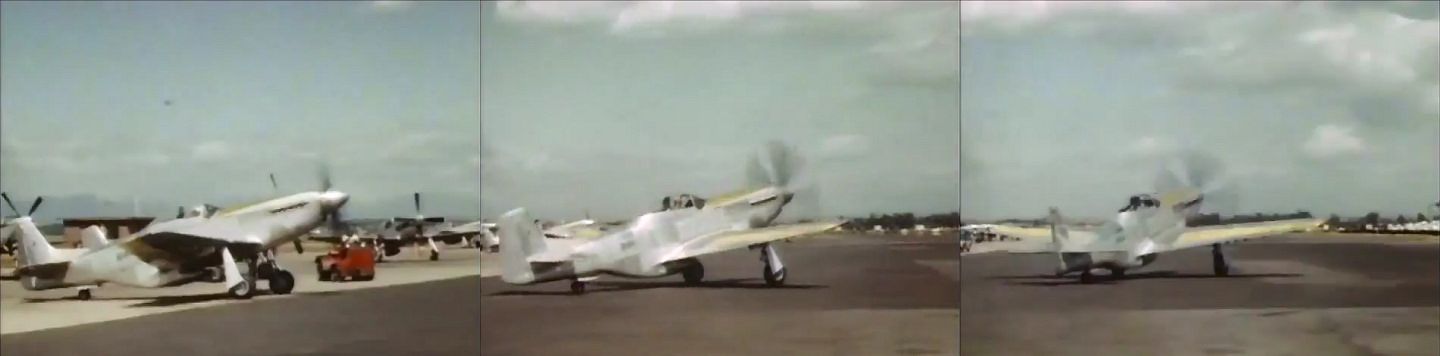
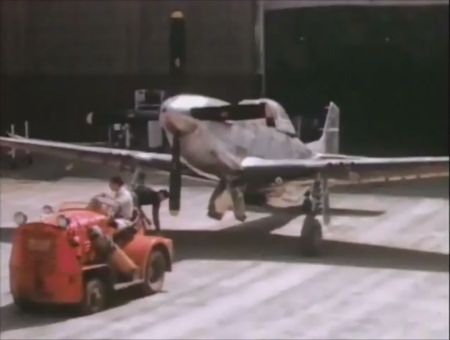
(An un-touched still, from the old "Great Planes" episode on the P-51 - note the inner color of the gear doors in the closest example)
:D
Image

Re: Insert Humor: Here...

Sat Oct 08, 2011 8:13 pm

OH NO YOU DI-UNT!!!

Re: Insert Humor: Here...

Sat Oct 08, 2011 8:21 pm

They don't look green to me!!! I haven't heard the gear door police say anything about yellow !!!
David

Re: Insert Humor: Here...

Sat Oct 08, 2011 9:26 pm

HEHEHE.....


Jeff

Re: Insert Humor: Here...

Sat Oct 08, 2011 10:56 pm

Yeah, it looks like chromate yellow, and no one painted the tire rub strips, does that make it a lower case ok?

Re: Insert Humor: Here...

Sun Oct 09, 2011 8:16 pm

Aw, come on!! Is it April 1st around here?!!
(Great job locating this pix. It would be very interesting to know why these were painted not in the silver color. Any pix data?)
Thx,
VL :twisted:

Re: Insert Humor: Here...

Sun Oct 09, 2011 8:40 pm

Vlado, based on the late-period "square-tip" Hamilton props (as I have come to know them by, either right or wrong), and the basis that the original period video, for which this clip is taken, was shot at the Inglewood factory, these I would assume to be P-51D-30-NA's, quite late in the war - I would hazzard to say around summer of 1945.

It's one of those curious things - like a photo that I have seen that shows two assembled P-51 wings on the production-run, waiting to be mated to fuselage assemblies, with the gun bays open. In the first wing, one of the wing-ribs that can clearly be seen is painted chromate yellow, with the vertical structural componants attached to it, painted interior green. In the very next wing, this same wing rib is natural aluminum, and the vertical structural componants are chromate yellow. (It's certainly enough to drive a model-maker mad I'd imagine!)

It also reminds me of how different the finishes within the wings were found to be, between the right and left wing halves, on Mustangs like Happy Jack's Go Buggy and Lil' Margaret before restoration, having not been touched since the factory. With that much variation, it becomes plausible that at least some Mustangs, as the one pictured, could have rolled off the factory floor, albeit late in the war, with a finish that was not of the 'norm', and often seen. I think the general goal was to prime as much of the metal as possible in chromate yellow (with other parts throughout the aircraft given an extra coating of protection with "interior green" paint), but through examples which have survived un-touched since being originally manufactured, it is clear that some areas of the inside of the aircraft did not always get that attention/treatment, perhaps because of the pace of wartime production (all of this leading to 'patchwork' inner finishes). It would therefore seem possible, that one Mustang would have a part/assembly treated with chromate yellow, while the same part/assembly in another did not, for any number of factors related to mass-manufacturing the aircraft, and during wartime.

Re: Insert Humor: Here...

Sun Oct 09, 2011 9:00 pm

JohnTerrell wrote:Vlado, based on the late-period "square-tip" Hamilton props (as I have come to know them by, either right or wrong), and the basis that the original period video, for which this clip is taken, was shot at the Inglewood factory, these I would assume to be P-51D-30-NA's, quite late in the war - I would hazzard to say around summer of 1945.

It's one of those curious things - like a photo that I have seen that shows two assembled P-51 wings on the production-run, waiting to be mated to fuselage assemblies, with the gun bays open. In the first wing, one of the wing-ribs that can clearly be seen is painted chromate yellow, with the vertical structural componants attached to it, painted interior green. In the very next wing, this same wing rib is natural aluminum, and the vertical structural componants are chromate yellow. (It's certainly enough to drive a model-maker mad I'd imagine!)

It also reminds me of how different the finishes within the wings were found to be, between the right and left wing halves, on Mustangs like Happy Jack's Go Buggy and Lil' Margaret before restoration, having not been touched since the factory. With that much variation, it becomes plausible that at least some Mustangs, as the one pictured, could have rolled off the factory floor, albeit late in the war, with a finish that was not of the 'norm', and often seen. I think the general goal was to prime as much of the metal as possible in chromate yellow (with other parts throughout the aircraft given an extra coating of protection with "interior green" paint), but through examples which have survived un-touched since being originally manufactured, it is clear that some areas of the inside of the aircraft did not always get that attention/treatment, perhaps because of the pace of wartime production (all of this leading to 'patchwork' inner finishes). It would therefore seem possible, that one Mustang would have a part/assembly treated with chromate yellow, while the same part/assembly in another did not, for any number of factors related to mass-manufacturing the aircraft, and during wartime.


I would expect parts like the gear door assemblies would have been in primer as we see here and the wings also appear to be NMF. Am I not correct in that the wings were generally profiled and painted at some point? If the wings were profiled and painted, then I am sure this is when the gear doors were painted also?

Re: Insert Humor: Here...

Sun Oct 09, 2011 9:40 pm

If the gear doors are silver they are possibly bare alum. The edges of the inner door structure was spot welded so they would not have been primered as it would screw up the spot welding.
The rub strip seen is stainless.
The interior parts of P-51 wings I have seen vary from bare alum with various shades of yellow zinc and green zinc thrown in. The cockpit green was painted over either bare alum and the various zinc chromate colors individual parts where painted. About the only standard color on the A/C.
Many parts were dipped in vats of zinc chromate so the finish was not consistent on any group of parts.
I've seen P-38 sub assemblies with each assy, dozens in a crate, being different in terms of the color of zinc or paint. What is dark green on one is yellow green on another and bare alum on a 3rd. These were a collection of parts bolted in the wheel wells with several alum boxes for electrical components attached to each other, 3 or 4 in all with lids and internal parts riveted in place. No 2 were the same out of 8 - 10 assys.

Re: Insert Humor: Here...

Sun Oct 09, 2011 9:53 pm

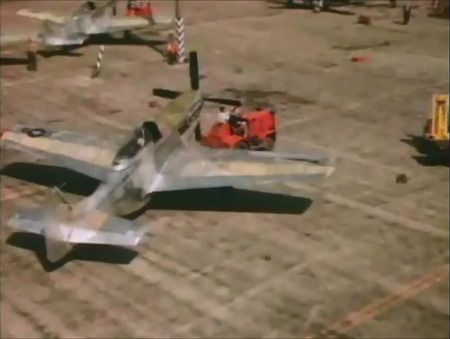
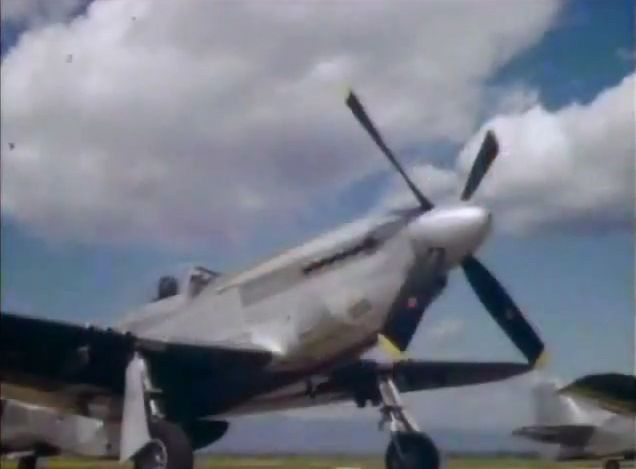
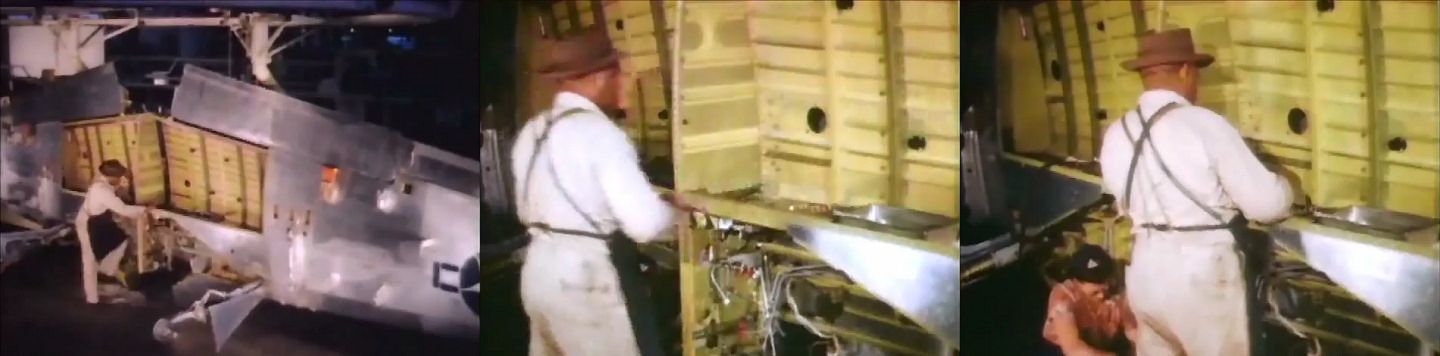
My own personal belief is that during original production, the inside of the clamshell doors and landing gear doors were never actually painted silver, but left in natural aluminum (with the clamshell doors either having bare stainless rub plates, or chromate yellow rub plates, earlier in production). This is the first time I have seen a color view of the clamshell doors and landing gear doors, of WWII-period, with them being anything other than the silver-look of natural aluminum. The wings were profiled and painted silver, but the exterior skins of the landing gear doors, clamshell doors, flaps and ailerons, and the large wing fuel tank panels, were left natural aluminum. You can see the bright marks of the brushed-on acid application on the landing gear doors seen on all of the mustangs within the shot. As copied on the restored Happy Jack's Go Buggy, Little Rebel, and Upupa Epops, in order to prepare the metal before spot-welding was to occur, they would simply brush on acid, which would etch the metal, and leave behind these variations in the metal in different areas of the aircraft where spot-welding took place.

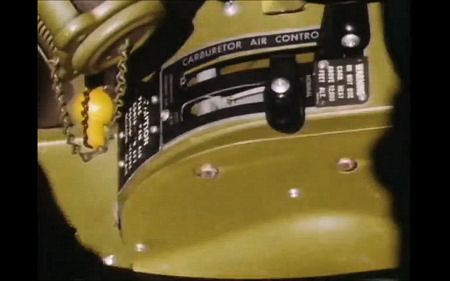
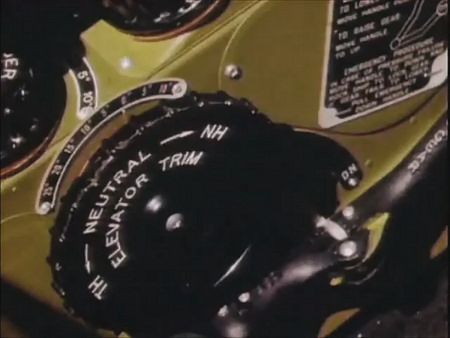
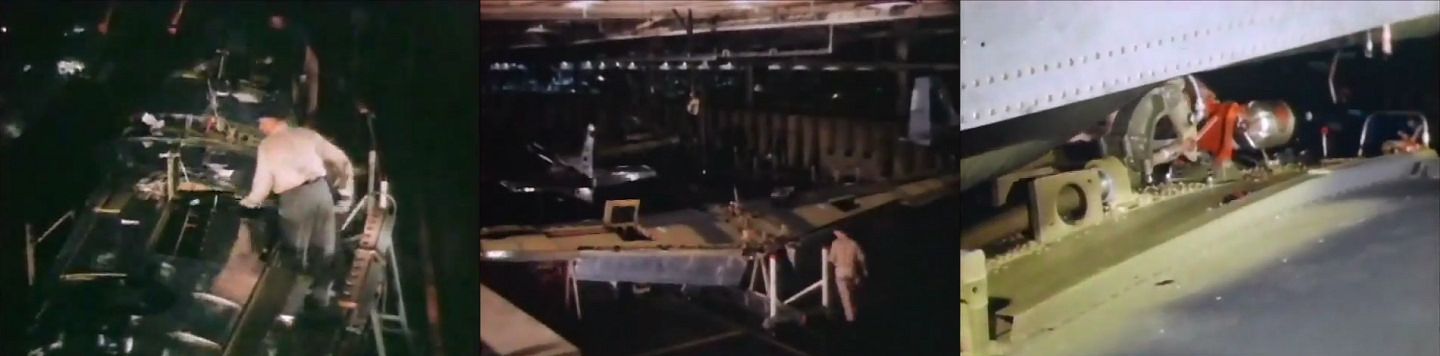
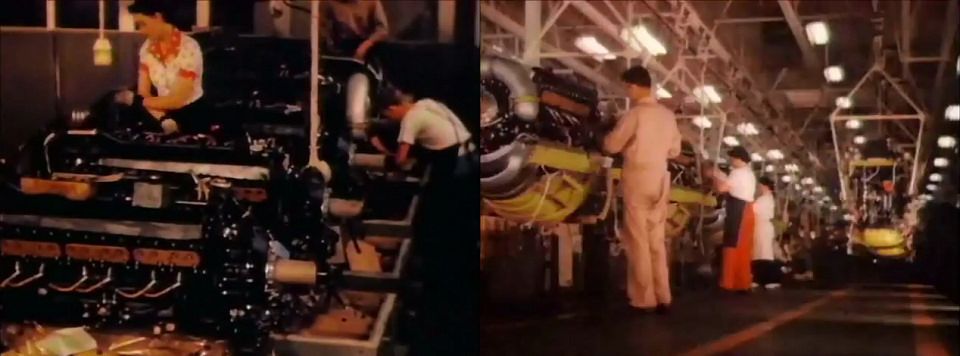
Just for kicks, here are some more screen-captures from the old "Great Planes" documentary on the Mustang, which is still one of, if not the best ever made on the aircraft.

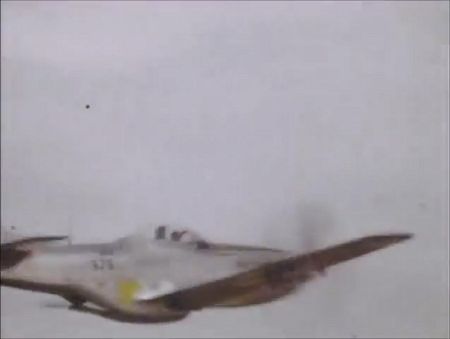
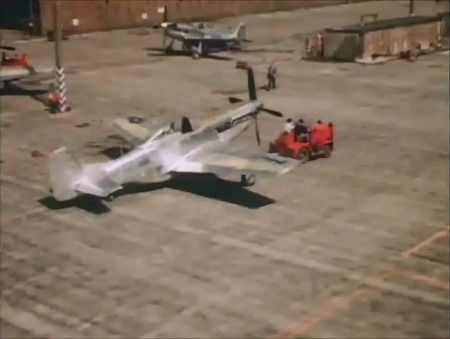
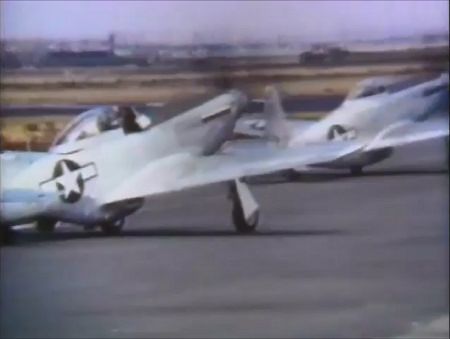
In this first view, as the P-51D taxies out, you can see this P-51H waiting in line for take-off:
Image

At this point, the aircraft's final finish/markings application had not yet been applied, but the wings had already been profiled. I've always been curious whether or not the chromate yellow panel on the side of the aircraft would have been painted over with silver, or if the chromate yellow would have been stripped off before the aircraft was ready for delivery (NAA was quite particular about the finish on their airplanes)
Image
Image
Image

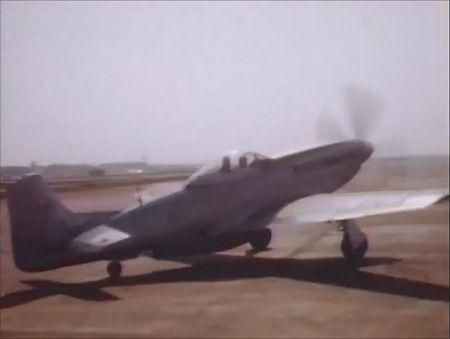
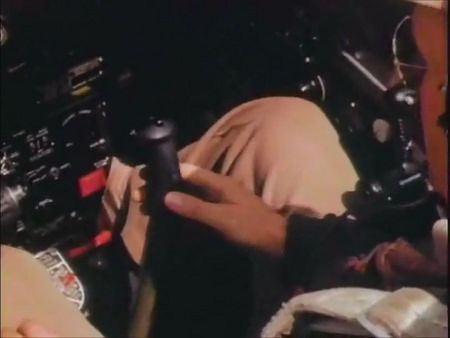
Views from the cockpit of a P-51D-30-NA, as the others are, shown within the original period footage from the Inglewood plant.
Image
Image
Image

Final finish/markings not yet applied, but the wings are already profiled.
Image
Image
Image
Image

Image

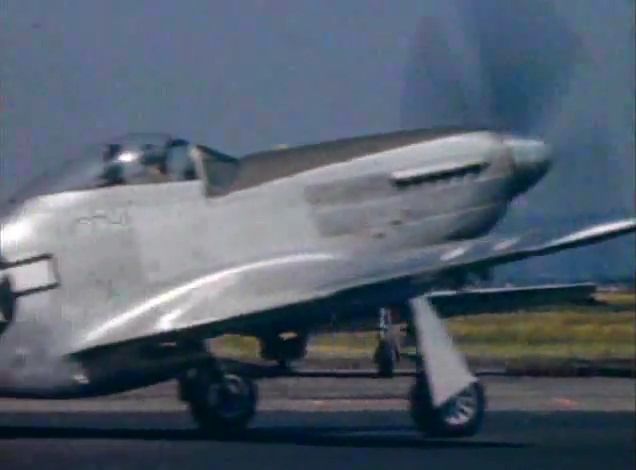
An example with the final finish/markings applied, with the serial number clearly showing it as a P-51D-30-NA (besides other noticable details).
Image
Image

Re: Insert Humor: Here...

Mon Oct 10, 2011 6:02 am

Some fascinating stuff here... thanks for posting these!

Lynn

Re: Insert Humor: Here...

Mon Oct 10, 2011 7:23 am

This reinforces that there are some awesome shots in film of items where no clear photo exists. The screen shots are great!

Re: Insert Humor: Here...

Mon Oct 10, 2011 9:46 am

Fascinating details. What exactly do you mean when you say a wing has been "profiled"?

Cheers,
Richard

Re: Insert Humor: Here...

Mon Oct 10, 2011 12:26 pm

The NAA-outline on the practice gets into some fine details pertaining to the exact amounts, and where-abouts on the wings, but in general, the Mustang's wings were filled with putty, sanded smooth, primered, and painted. The purpose was to maximize the efficiency of the laminar-flow wing (though to achieve true laminar-flow, the wing would have had to have been perfectly smooth, which would never have been possible on a production example). When finished, this is why bare-metal Mustangs had silver-painted wings, from the factory (there were instructions for use 'in the field', for actually repairing the finish of the wings, if the putty were to ever start to come off for some reason).

Within several of the stills from the original footage, you can see that the wings on the assembled Mustangs have yet to get the final finish of silver paint applied, so you can see a mixture of dark putty, chromate yellow primer, and perhaps a coat of silver paint already, over areas of the putty along the leading-edge to mid-section of the wings, with temporary "stars and bars". In the first and last two stills, these examples show the final silver finish and markings applied.

Here are some more I have compiled together:

Image

Image

Image

Image

Image

Image

Image

Re: Insert Humor: Here...

Tue Oct 11, 2011 9:41 am

Humor not with standing (sic), it would be great to get some historical information on how these variations came about. The first picture indeed shows colored gear doors (oh, how can it be??!!). These do appear to be P-51D-30 models with solid alternate air covers and paddle blade props. The caveat to this is, many post war and Korean War P-51D-30 images do not show color variations as these factory pictures depict.
I wonder if there is a former factory employees newsletter/magazine where former NAA employees could provide some factual history. Somewhere there is a source for these questions and answers. Just gotta keep looking.
VL
Post a reply