All photos are from the USFG archives.


North American P-51 (F-5) of the 67th Recon Group, Membry Airfield Endland during World War II.
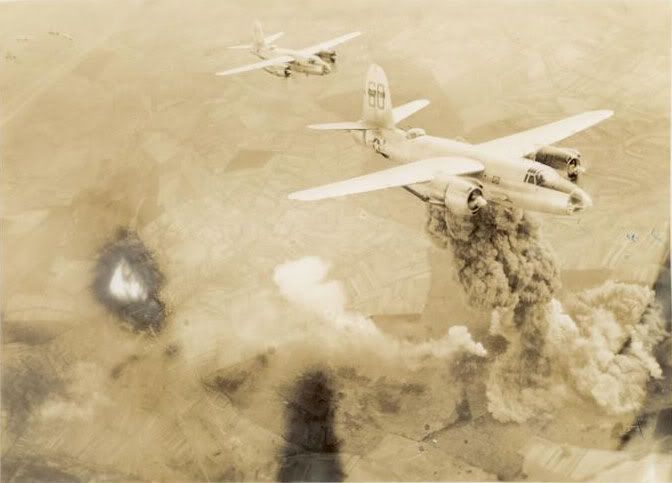
A plane of the 17th Bomb Group (432nd Squadron) flies surrounded by flak explosions somewhere over Algeria during World War II.
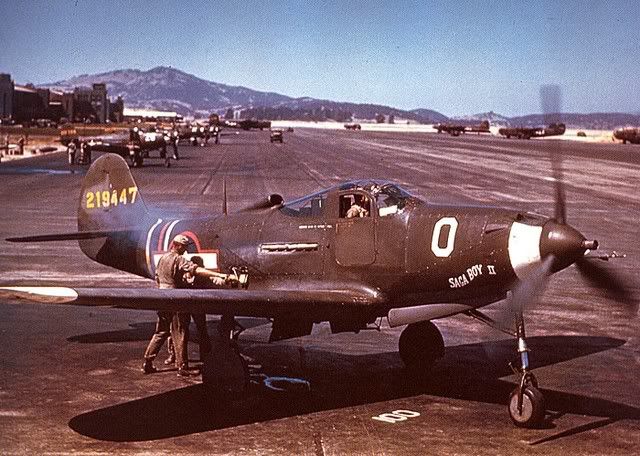
Two mechanics crank the handle of a USAAF Bell P-39Q-1-BE Airacobra, probably at Marysville, California (USA), in July of 1943. The aircraft "Saga Boy II" (serial no. 42-19447) belonged to Lt.Col. Edward S. Chickering, commander of the 357th Fighter Group. When the Group moved to Great Britain in November 1943, it was reequipped with the North American P-51 Mustang.

A U.S. Army Air Force Douglas A-20G-20-DO "No. 57" (S/N 42-86657) in flight.
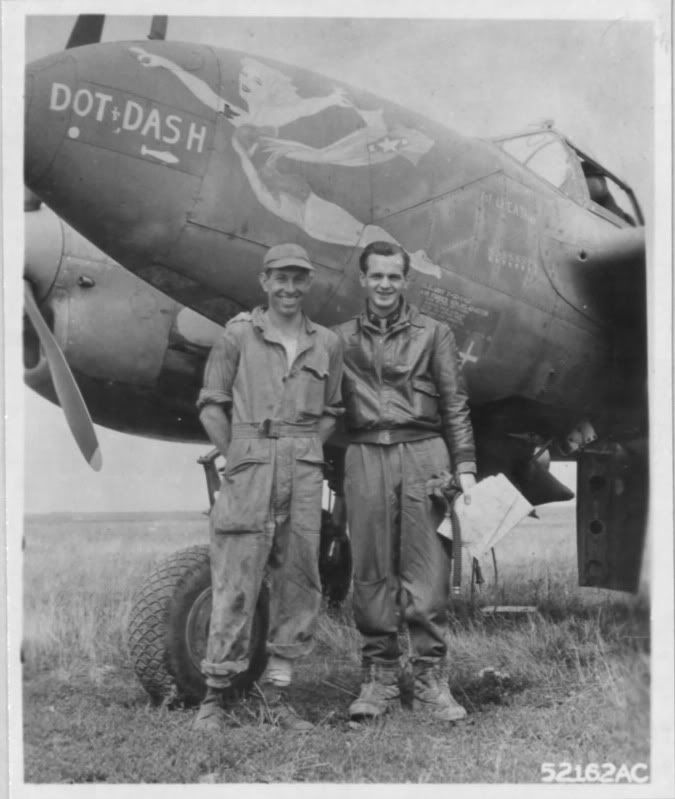
Lieutanant Everett A. Thies (right) and his crew chied T/Sgt Daniel Nobel stand beside Thies' reconnaissance plane [Dot-dash F-5C-1-LO (P-38J), 42-67128] in which he brings pictures of German targets to U.S. bases in the USSR for AAF strategic bombers to hit on "shuttle" runs to the other side of Europe.
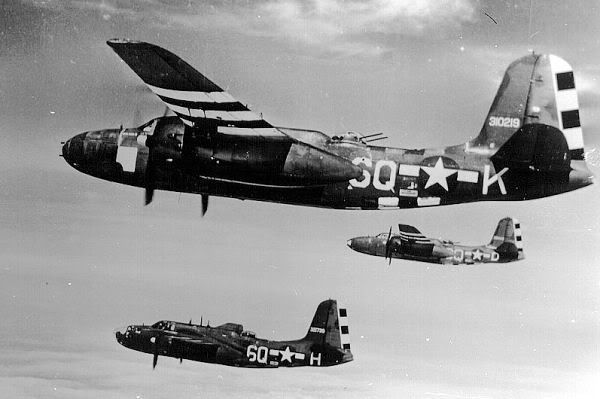
A-20s of the 410th Bomb Group, RAF Gosfield, England.
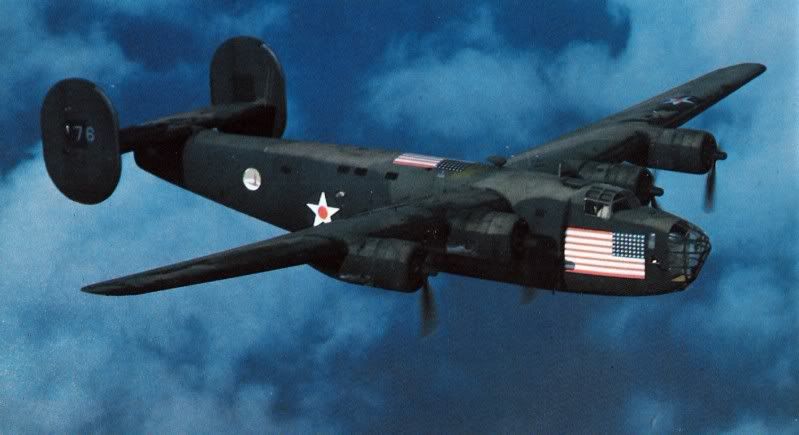
The eighth U.S. Army Air Force Consolidated B-24A Liberator built (s/n 40-2376), in 1941. This aircraft was to be transferred to the Royal Air Force, but was kept by the USAAF. It flew with a RAF camouflage but US markings for the AAF Ferry Command. This aircraft was lost on 5 May 1942, when it had to ditch in the lagoon of Ju Island, Batang Pele Group, in the Netherlands East Indies after running out of fuel while attempting to return to Darwin (Australia).
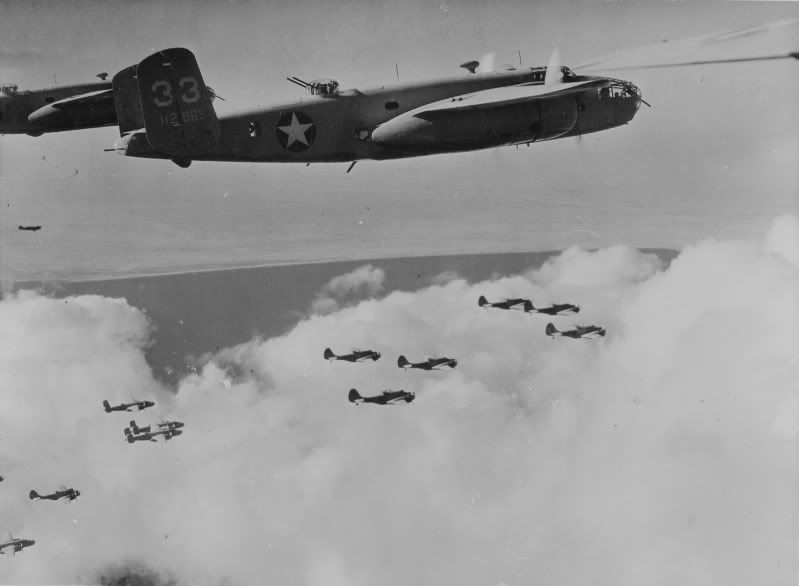
Seven U.S. Army Air Force North American B-25C Mitchell bombers of the 82nd Bomb Squadron, 12th Bomb Group, and seven Martin Baltimore bombers of No. 21 Squadron, South African Air Force, during a sortie against German forces in North Africa in 1943. The B-25C in the foreground, s/n 41-12863, was written off on 19 April 1943. A single escorting Curtiss P-40 Warhawk fighter is visible in the left background. Original caption: "Operations in North Africa by Allied air forces. Mitchell B026 bombers of the United States Army Air Forces and Baltimore bombers of the South African air forces flying together in formation on their way to attack Rommel's position in North Africa.
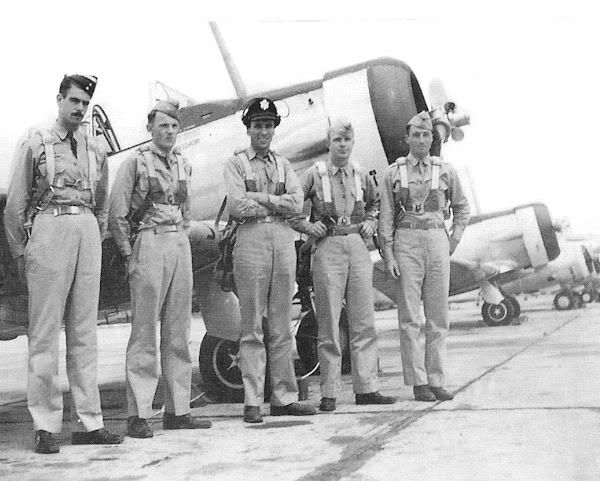
North American AT-6s at Moody Army Airfield, Georgia, 1942.
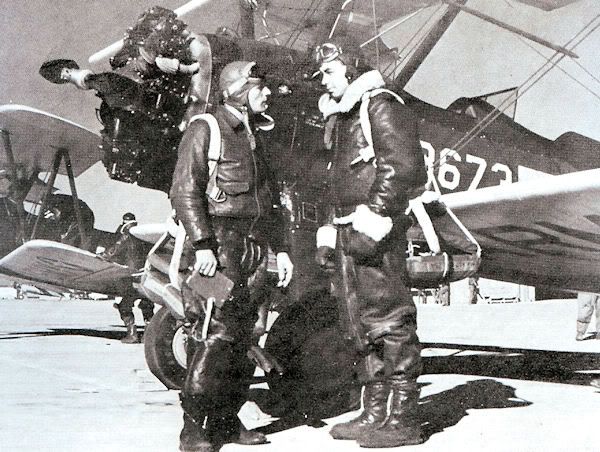
Basic Flight Instruction Training at Souther Field, Georgia, 1943.
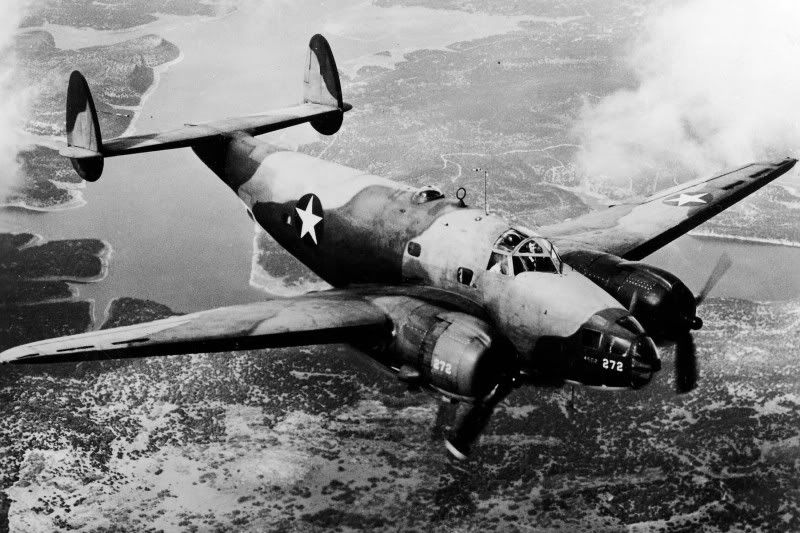
A USAAF Lockheed B-34-VE in flight, in 1943.
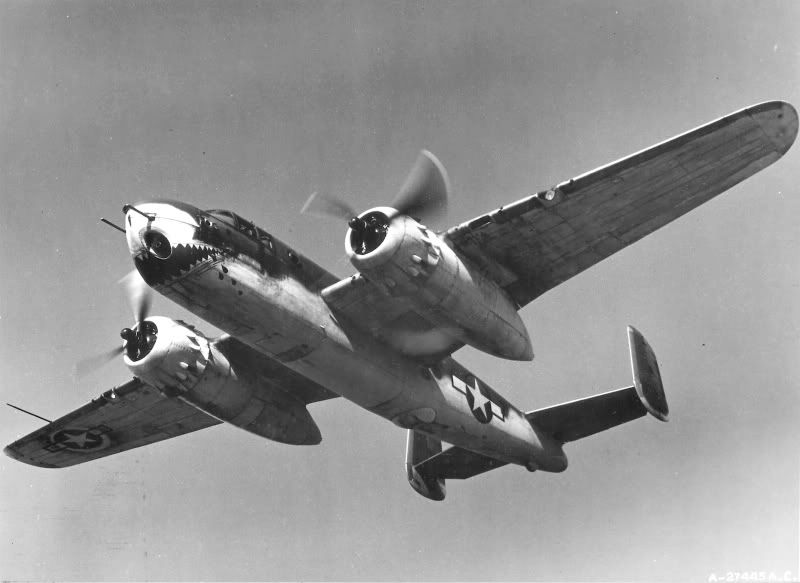
North American's B-25G Mitchell from the AAF TAC Center, Orlando Florida. April 17, 1944. The crew of the B-25G was five--pilot, copilot, navigator/cannoneer, upper turret gunner, and radio operator. Since there was no bombardier, the pilot fired the nose armament and released the bombs. The radio operator also doubled as the ventral turret gunner when this turret was fitted. Additional armor was fitted forward of the instrument panel, forward of the loader's station, around the 75-mm ammunition rack, and below the windshield. An external flak plate was fitted below the cockpit on the left hand side of the aircraft.
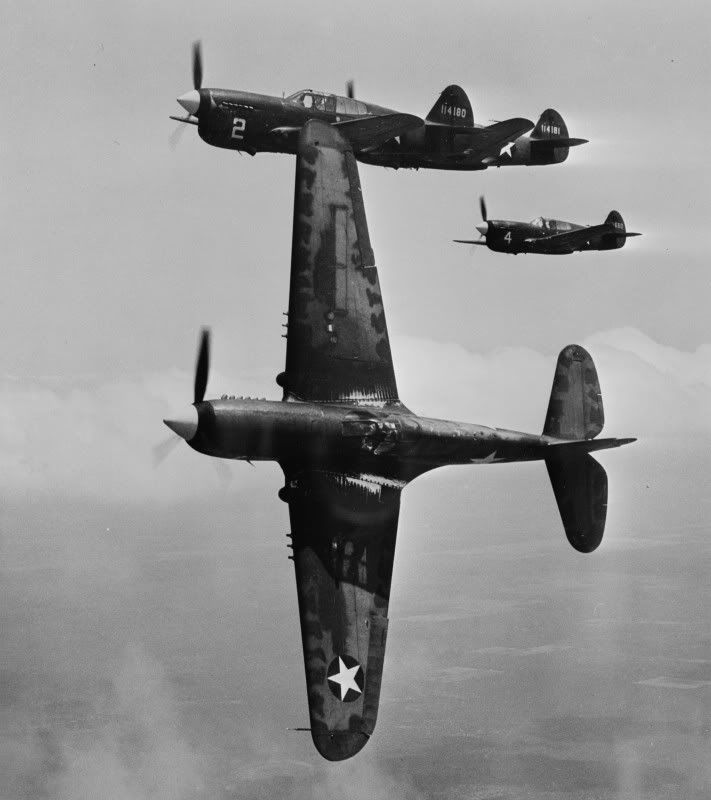
U.S. Army Air Force Curtiss P-40F Warhawk fighters on a training flight out of Moore Field, near Mission, Texas (USA), in 1943. The lead aircraft in a formation of P-40's is peeling off for an "attack" in a practice flight at the Army Air Forces advanced flying school. Selected aviation cadets were given transition training in these fighter planes before receiving their pilot's wings.

C-47 of the 310st Troop Carrier Squadron Serial 42-9308 at RAF Merryfield, England, 1944.
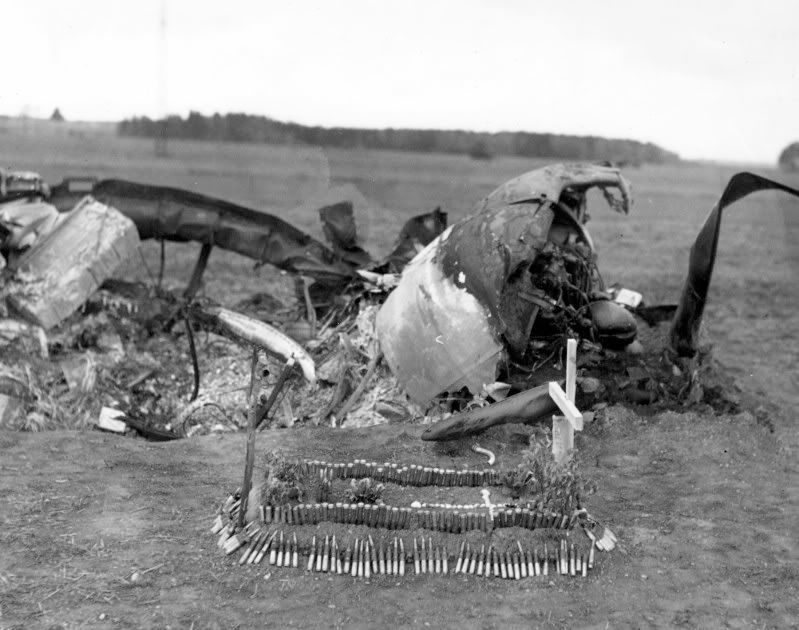
When a squadron of P-47 Thunderbolts attacked a gunpowder storage depot, the ensuing explosion destroyed one of their aircraft. The grave for the pilot was made by a refugee French couple, with .50-cal. ammunition for a border.
That's About It For Tonight.
Robbie


 Login
Login Register
 FAQ
FAQ Search